Tree Removal Service in Allentown, PA
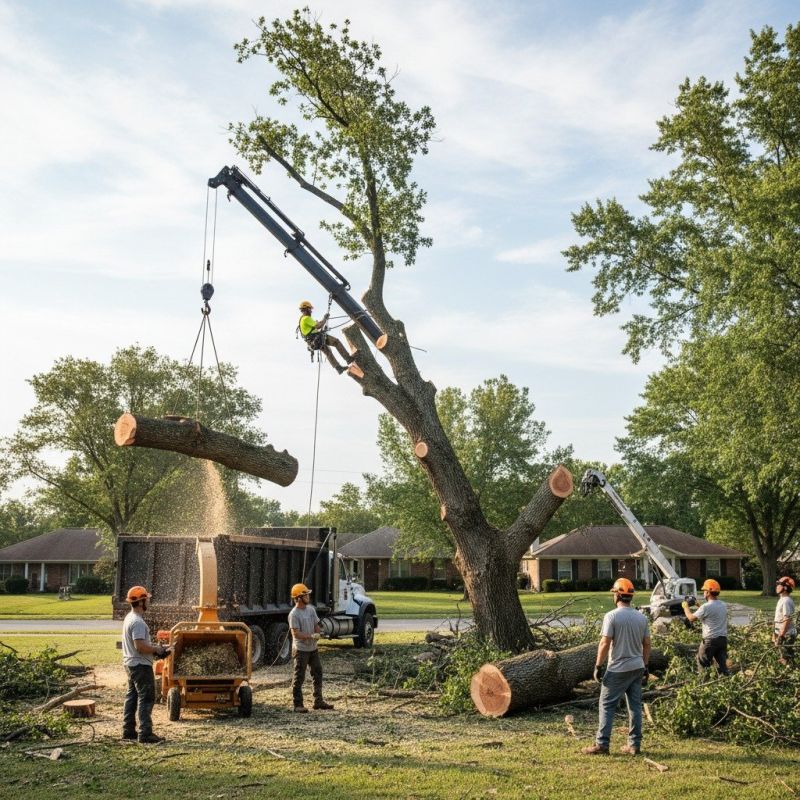
Tree removal services involve the safe and efficient removal of trees that may pose a risk to property, obstruct views, or are no longer healthy. These projects can include removing dead or dying trees, clearing space for new construction or landscaping, and removing hazardous trees near structures or power lines. Homeowners should consider factors such as tree size, location, and condition before requesting removal, as well as understanding any potential impacts on the landscape or surrounding environment.
Property owners typically want to know about the scope of the removal process, including whether stump grinding or clean-up is included, and any considerations related to neighboring properties. It is also important to assess the accessibility of the tree, potential safety concerns, and whether permits are required for removal projects. Clarifying these details can help ensure the service meets the specific needs of the property and results in a safe, effective tree removal.
Many property owners in Allentown, PA look into Tree Removal Service for repairs, replacements, upgrades, and appearance-related improvements.
Reasons For Tree Removal
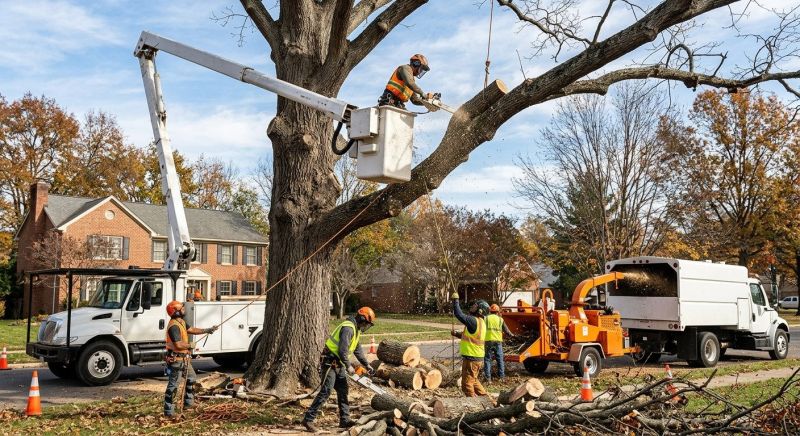
Trees may need removal due to disease, damage, or safety concerns on residential properties.
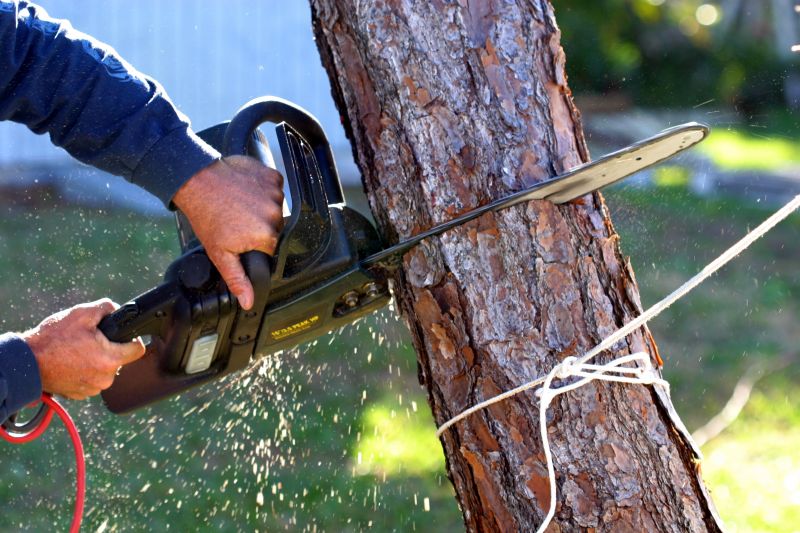
Tree Removal Process
The service involves safely cutting and removing trees to prevent damage to nearby structures and landscapes.
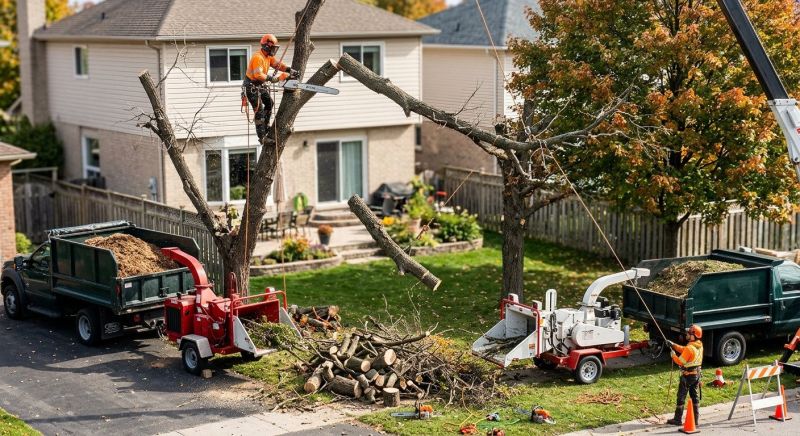
Property Improvement Benefits
Removing problematic trees can enhance curb appeal, improve safety, and make space for new landscaping projects in allentown, pa.
Tree Removal Service in Allentown, PA
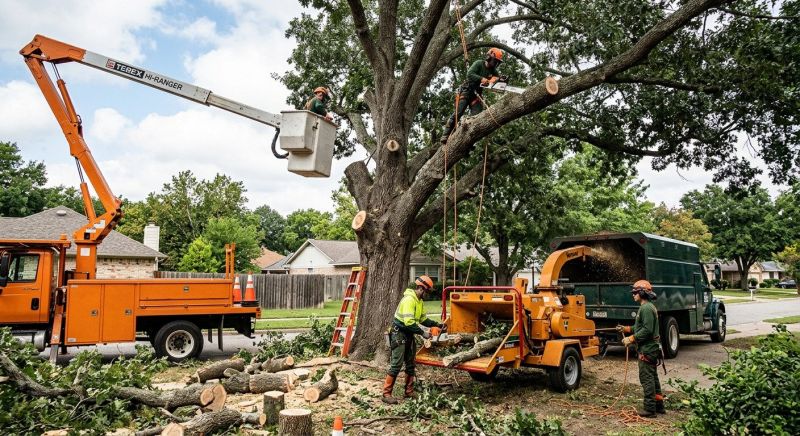
Tree removal services involve the safe and efficient removal of trees that may pose a risk to property, obstruct views, or are no longer healthy. These projects can include removing dead or dying trees, clearing space for new construction or landscaping, and removing hazardous trees near structures or power lines. Homeowners should consider factors such as tree size, location, and condition before requesting removal, as well as understanding any potential impacts on the landscape or surrounding environment.
Property owners typically want to know about the scope of the removal process, including whether stump grinding or clean-up is included, and any considerations related to neighboring properties. It is also important to assess the accessibility of the tree, potential safety concerns, and whether permits are required for removal projects. Clarifying these details can help ensure the service meets the specific needs of the property and results in a safe, effective tree removal.
Many property owners in Allentown, PA look into Tree Removal Service for repairs, replacements, upgrades, and appearance-related improvements.
Common Tree Removal Service Jobs
Tree Removal - safely removes damaged or dead trees to maintain landscape health.
Hazard Tree Removal - eliminates trees that pose a risk of falling or causing property damage.
Storm Damage Cleanup - clears fallen or broken trees after severe weather events.
Overgrown Tree Trimming - reduces tree size and shape to improve safety and aesthetics.
Stump Removal - removes remaining stumps to prevent pest issues and allow new planting.
Emergency Tree Services - provides urgent assistance for fallen or dangerous trees on properties.

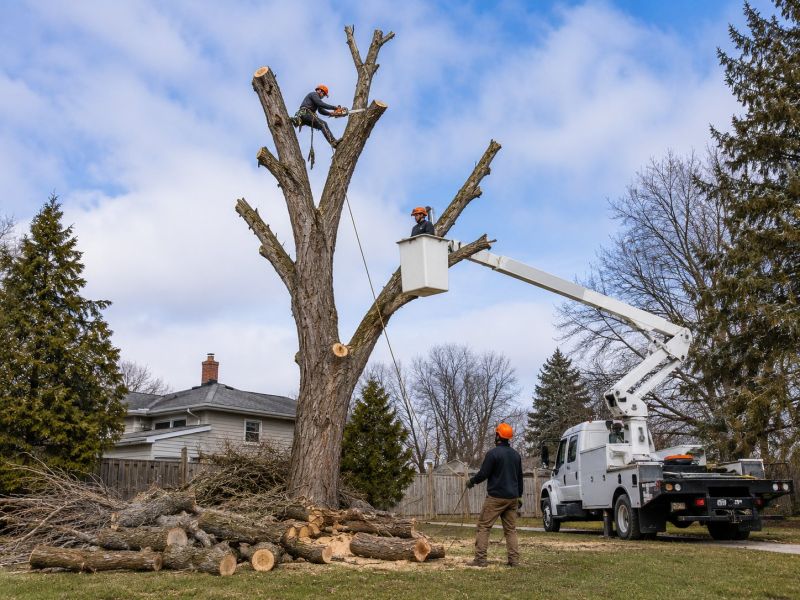
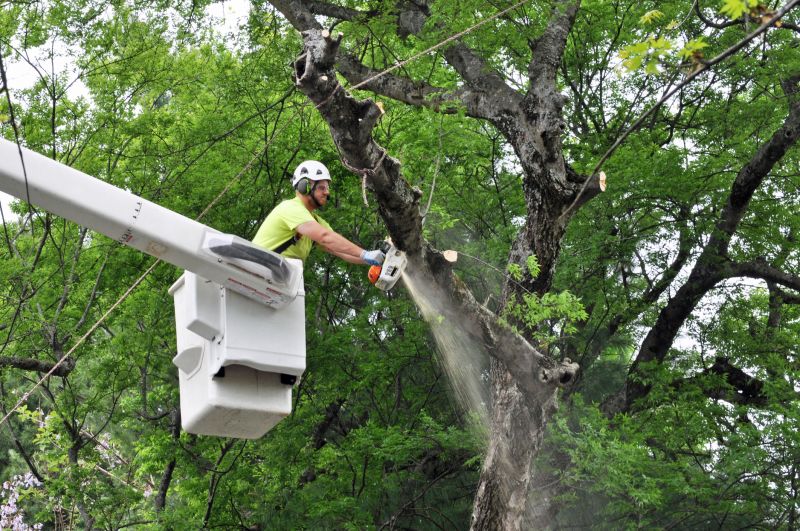
Tree Removal Service Questions
When is tree removal necessary? Tree removal is recommended when a tree is dead, diseased, or poses a safety risk to property or people.
What types of trees can be removed? Most common deciduous and evergreen trees can be removed, regardless of size or location on the property.
Is tree removal safe around structures? Yes, proper techniques ensure trees are removed safely around homes, fences, and other structures.
What should property owners consider before removal? It's important to assess the tree's condition, location, and potential impact on the landscape before removal.
Request Tree Removal Service in Allentown, PA
Use the quote form on this page to share the basics of your project and request more information for the type of work you need.